
Why is instant product testing still failing to speed up your final approvals?
Curated by Fabrice Gribon, founder and CEO of Gribon & Company
The CEO Shortlist – practical insight on operational performance and execution
EXECUTIVE SUMMARY
THE CONTEXT
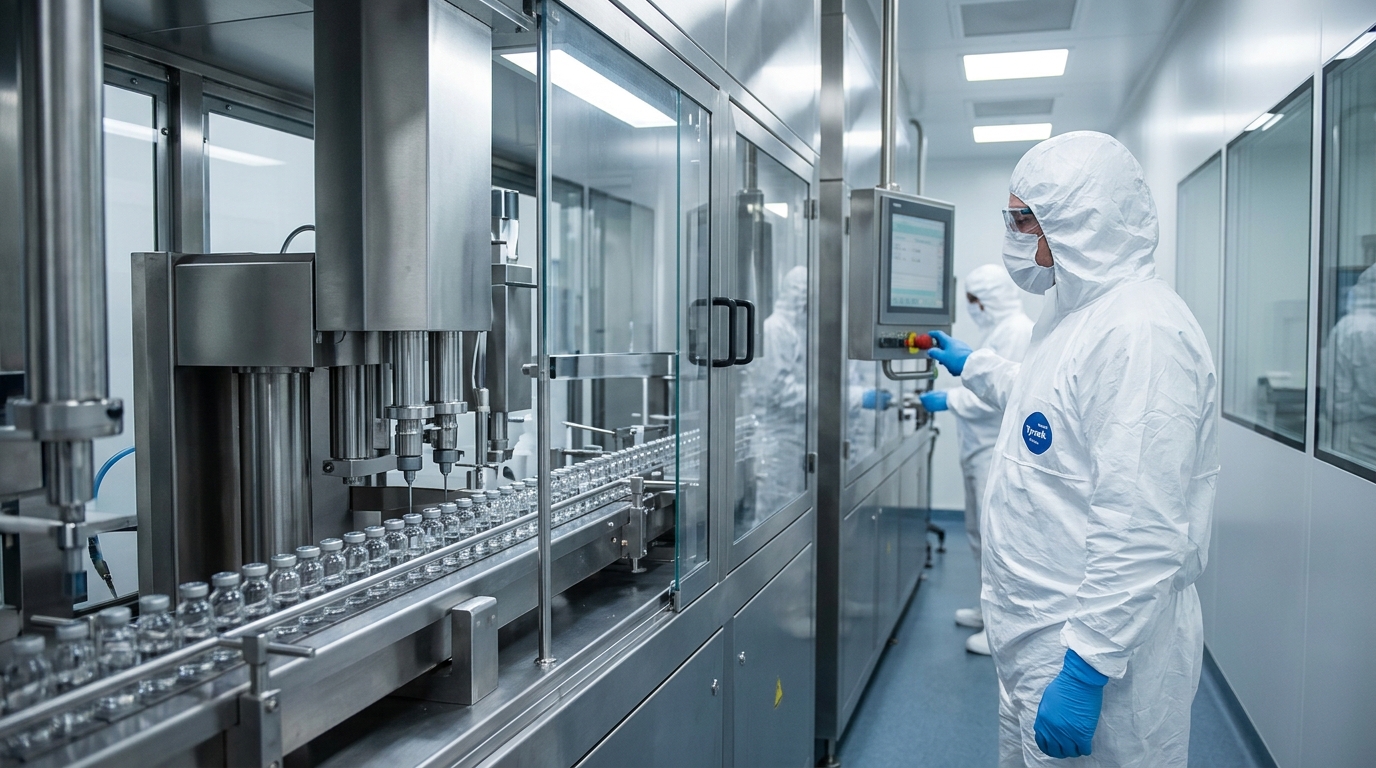
Manufacturing executives navigate a highly constrained environment where ensuring sterile manufacturing stability and meeting strict Annex 1 requirements are paramount. In recent engagements at European sterile fill-finish sites, we observed a recurring pattern: advanced PAT and in-process data are readily available, yet final batch release cycle time remains stubbornly long.
Internal efforts to accelerate this process typically encounter resistance because teams treat real-time release testing (RTRT) as a technical analytical project. When sensors monitor critical quality attributes (CQAs) like pH or dissolved oxygen in real-time, the data is generated instantly. However, the release process still waits on offline assays and sequential manual sign-offs. The technology is modern, but the decision-making framework remains retrospective.
WHERE PERFORMANCE IS LOST
The fundamental misstep most organisations make is assuming that real-time release replaces the need for operational redesign. Quality leaders often confess that the true bottleneck is not data quality, but who is authorised to act when a process signal appears mid-batch.
We routinely see three structural failure modes that drain capacity:
First, sites fail to update their exception-handling protocols, leaving operators to halt lines for minor sensor variances that should have automated pre-clearance.
Second, the QP release workflow remains sequential and retrospective, ignoring the continuous assurance data collected during the run.
Third, there is a lack of end-to-end operations visibility, meaning data sits unreviewed in silos until the batch is fully completed.
In our work across biotech sites, we mapped the release path end-to-end at a major CDMO and found that 60% of elapsed time sat entirely between "data available" and "decision logged." Technology only pays off when the release narrative is written before the batch starts.
THE PATH FORWARD
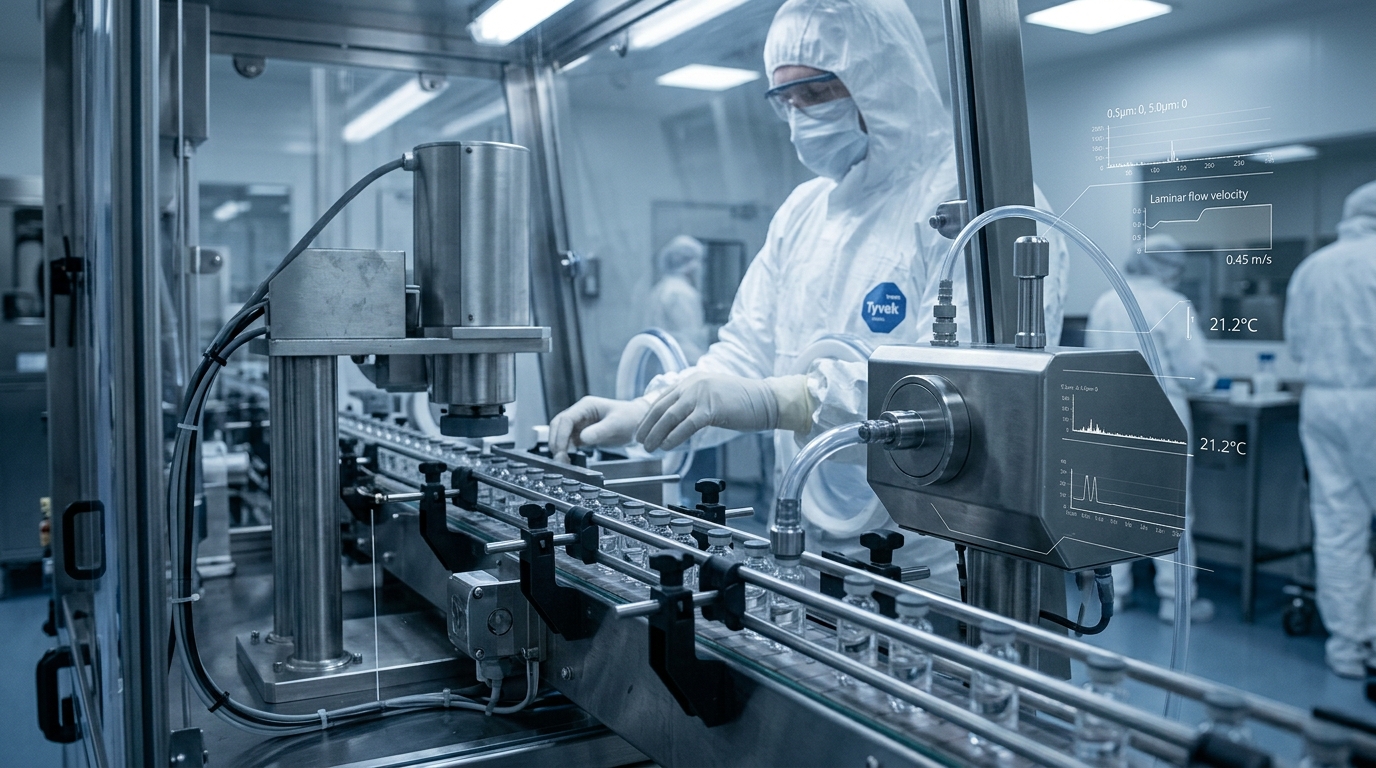
Organisations that move forward can expect to significantly compress their batch release cycle time and unlock latent capacity. To transition from retrospective testing to active continuous assurance, site leaders should execute three decisive steps:
1. Map the true release critical path (not the SOP path) and time every handoff.
Outcome: A shared, data-driven view of where hours actually disappear between production completion and final sign-off.
2. Pre-define exception playbooks with QA and the QP before enabling real-time signals.
Outcome: Fewer "hold for discussion" loops and immediate, compliant resolution of minor process variances.
3. Pilot real-time release on one product family with clear success metrics, including cycle time, deviation rate, and first-pass yield.
Outcome: A board-ready case for scale-up or stop, proving the financial and operational viability of the model.
Failing to act means continuing to tie up working capital in idle inventory while risking supply disruptions. By redesigning the operating model to match your analytical capabilities, you transform compliance from an administrative bottleneck into a competitive advantage.
If your release timeline still starts when the batch ends, are you really practicing real-time release — or just collecting better evidence for the same old process? What would change if the QP’s decision criteria were locked before the first vial was filled?